
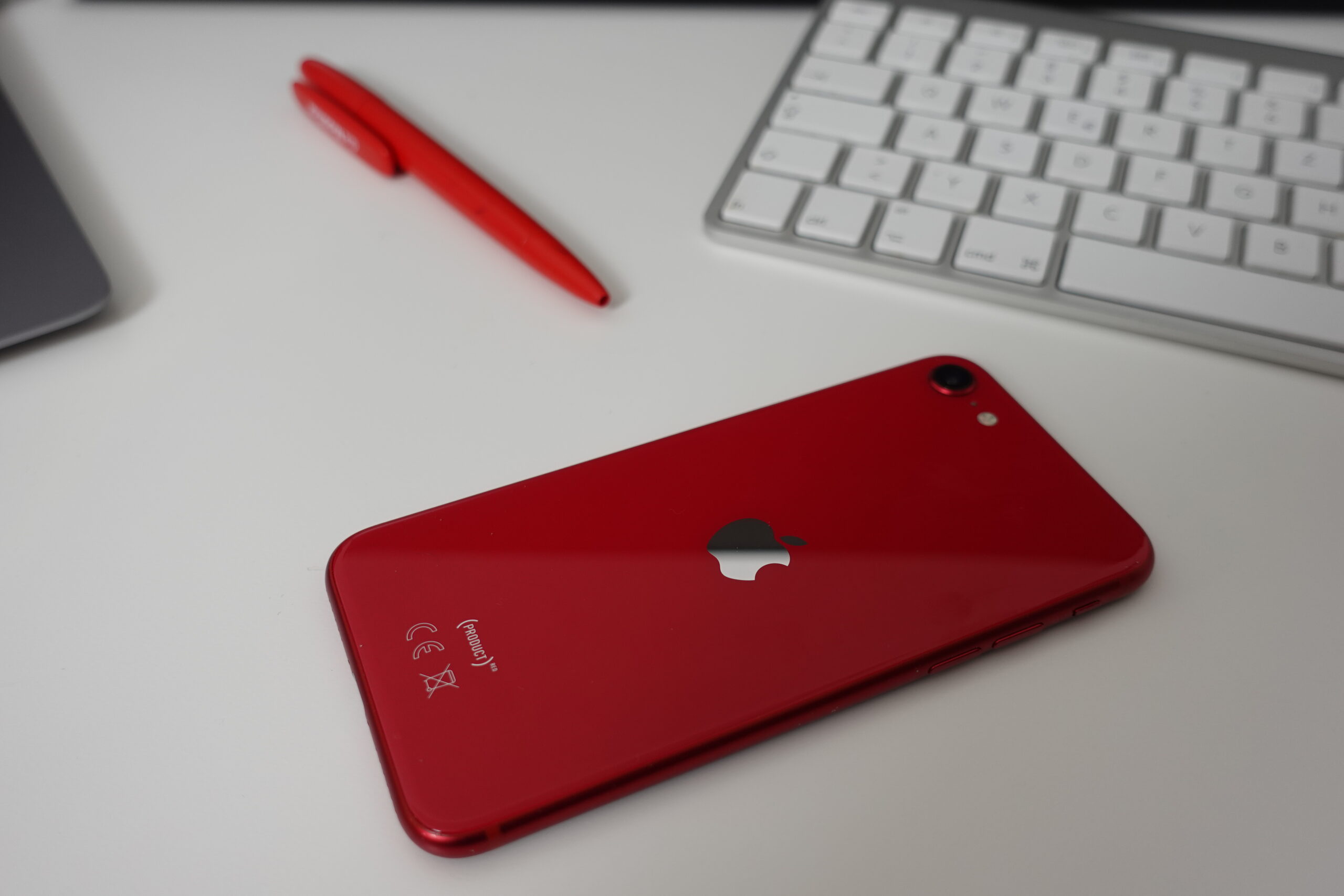
How did they make us believe that we want to pay over $1,000 for a phone packed with features we will never actually need? When did it become normal to purchase devices that so vastly supersede the requirements of our daily lives? For years, I was part of the crowd. I’m not a heavy consumer in most areas, but the phone was different. I convinced myself I needed to be “connected” and take “amazing quality pictures.” Over time, I built a genuine emotional connection with the Apple brand and the iPhone. Last year, I finally bought the iPhone 16 Pro. I expected to be blown away, but instead, I was deeply disappointed. That disappointment forced me to take a step back and look at what my phone should actually be able to do.
The “Futureproofing” Fallacy
We are constantly sold on the idea of “futureproofing.” Marketing departments tell us that buying a car with a massive engine, a house with extra rooms we won’t use, or a computer with a lightning-fast processor is a smart investment for tomorrow. In the smartphone world, this logic falls apart the moment you look at our habits. We pay a premium for “tomorrow’s tech,” yet the cycle of consumption never slows down. If you are replacing your device every few years anyway, you aren’t futureproofing – you’re just overpaying for utility you will never exhaust before the device is discarded.
The $55 Perfection: A Case Study in Utility
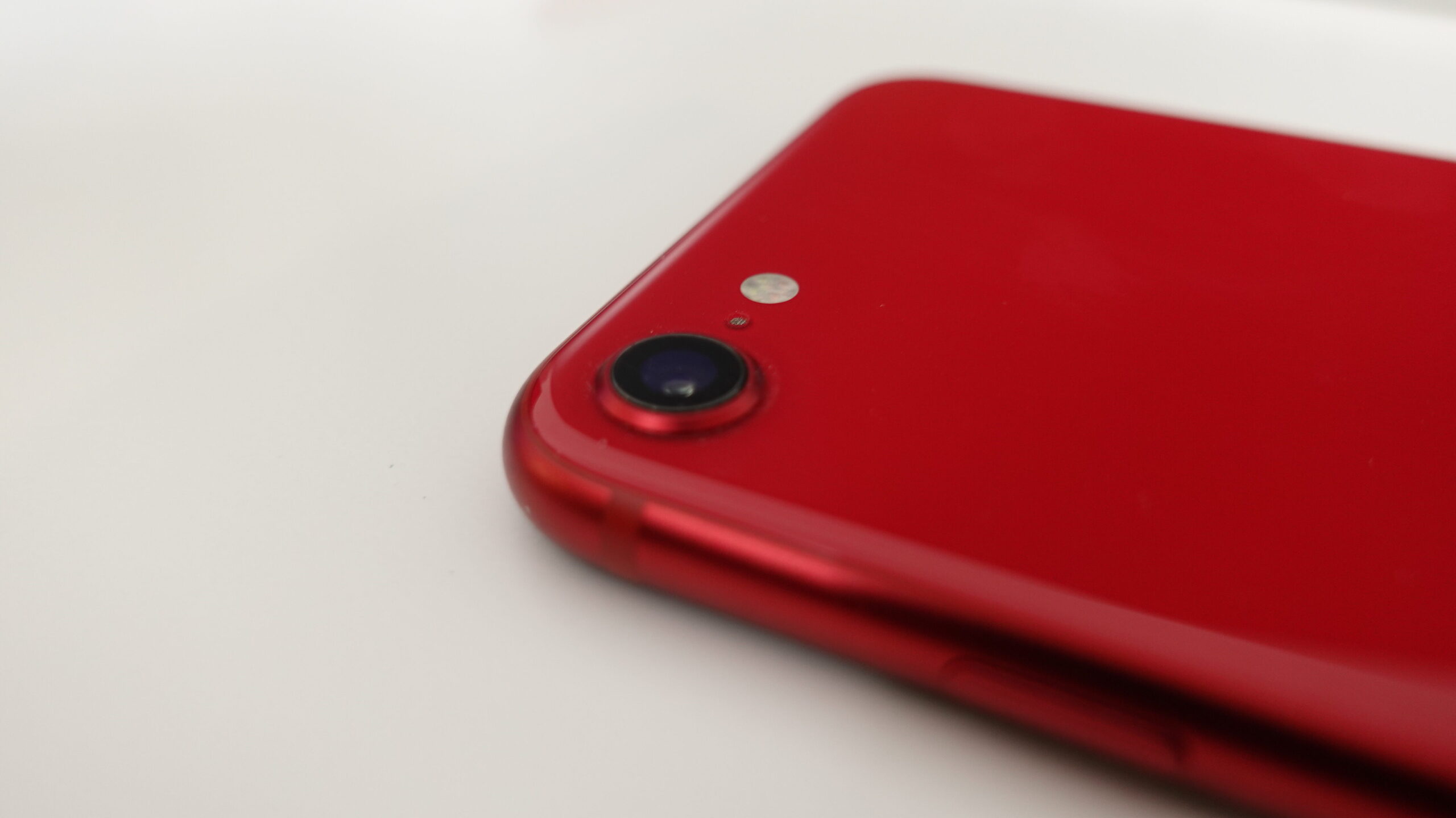
My disappointment with the iPhone 16 led me to a radical experiment. I stopped looking at the spec sheets and started looking at my actual needs. I realized that if a phone had WhatsApp, a browser, and a camera that took “ok photos,” it wouldn’t just suffice – it would be perfect.I stumbled across a 2020 iPhone SE (Model A2296). I bought the handset for $40 and spent $15 to replace the battery. For a grand total of $55, I had a fully functioning iPhone. I have been using only this phone for six months now, and I can’t think of ever going back. I realized that a phone that does more is actually worse. It isn’t any better at helping me do the things I actually want to do; it is just better at distracting me. And I was paying a massive premium for that distraction.
What Marketing Professors Won’t Tell You
In university, I learned that marketing doesn’t create new needs – it simply uncovers existing ones and offers a solution. That is technically true, but it’s far from the whole truth. What no marketing professor will tell you is that there are hundreds of ways to satisfy a single need. There are good ways, bad ways, expensive ways, and cheap ways. Because of their very nature, companies will always steer you toward the most expensive solution to maximize their profit. It’s like the lawn mower analogy: I’m not going to buy a high-end mower if I don’t have a lawn to mow. Yet, we are constantly talked into buying the tech equivalent of a commercial tractor to trim a few weeds in a window box. What you want isn’t always best for you.
The Hidden Cost: Beyond the Price Tag
Why do we keep buying the “mower” when we don’t have the lawn? If I’m honest, it’s because I was sold a feeling – the feeling of being “someone with an expensive iPhone.” This is where marketing shows its darkest side. In the case of a phone, you might just lose a bunch of money. But this mindset extends into social media and the broader tech ecosystem, where the price is much higher. You are being fed material you think you “want,” but it costs you your attention span, your time, your mental wellbeing, and your real-world social contacts. We have to understand the nature of these companies. They don’t care about your wellbeing – they can’t care. Their nature is to prioritize profit above all else, even if it means selling you a status symbol that actively erodes your quality of life.
Taking Back Control
The “perfect phone” isn’t the one Apple or Samsung tells you is the best. It’s the one that matches your actual requirements without demanding a psychological or financial ransom. The marketing departments have done their job; they’ve convinced us that more is always better. But after six months with a $55 phone, I know that isn’t true. It is in our hands to take action. Are you brave enough to choose the “cheap” solution that actually satisfies your needs, or will you continue to pay a premium for a status symbol that only serves to distract you?