
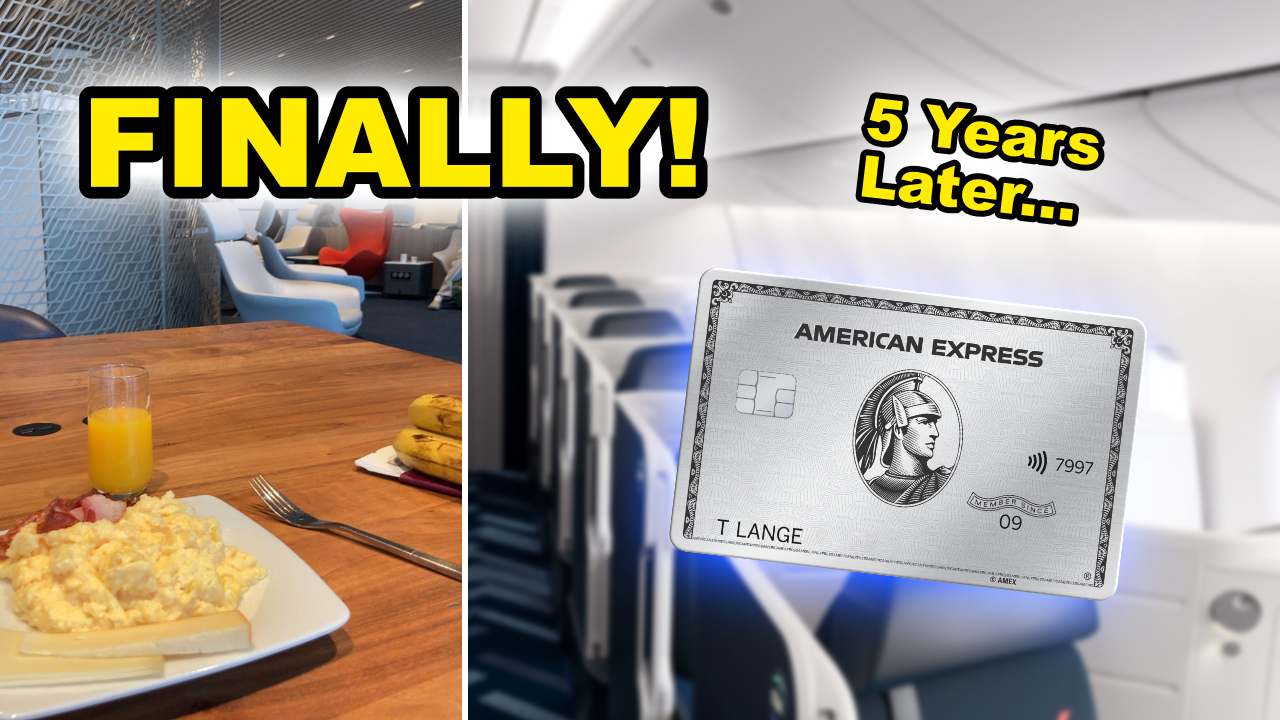
The allure of “free” business class travel is a staple of the polished “luxury influencer” lifestyle, but let’s get one thing straight: it’s rarely as seamless as a filtered Instagram photo suggests. My own journey to a transcontinental lie-flat seat was a five-year grind that involved meticulous point-stacking and a reality check that was far messier than I anticipated. If you’re looking for a no-nonsense breakdown of whether the “slow burn” of points travel is actually worth the effort, here is the honest, skeptical truth about the experience.
The “Slow Burn” of Points Accumulation
Earning enough points for a long-haul business class flight is an exercise in patience, and it certainly doesn’t happen through your daily coffee run. I spent years hearing about the “points game,” but the reality is that standard spending – earning one point per dollar – is a joke. In the end, that daily spending didn’t amount to anything substantial. The real power, and the only reason I hit my 200,000-point milestone, lay in sign-up bonuses and referrals.
My strategy was built on a 75,000-point special offer for an Amex card. Over five years, I played the system by switching between Gold and Platinum cards every couple of years to capture fresh bonuses and referred everyone I knew. It is a “slow burn” in the truest sense; you have to be comfortable with the idea that your “free” flight is years away, requiring a level of calculated efficiency that most casual travelers simply won’t maintain.
The Redemption Trap: Where Good Points Go to Die
Once you finally have the points, the industry does its best to make sure you never use them effectively. The redemption process is a nightmare, seemingly designed to be as difficult as possible. If you use the Amex portal directly, they’ll offer you horrible rates that provide about a fourth of the actual value of your points. It’s a trap for the uninformed.
The technical hurdles are just as bad. Most airline redemption sites look and behave like they were designed in the 1980s – prone to crashing and losing your data mid-transaction. KLM and Air France were the clear winners for my route from the EU to Vancouver; their site actually worked and looked modern. I managed to snag a seat for 60,000 miles plus a €270 fee, which is a steal compared to the 120,000 or 180,000 miles other carriers demand.
“The process is, I believe, made as hard as possible for you. They don’t update the site. It crashes a lot of times and nobody tells you where you can actually redeem them.”
The Short-Haul Illusion: Why Business Class Isn’t Always Worth It
My itinerary started with a short leg from Zurich to Paris, and frankly, European short-haul business class is super useless. The layout is often just a standard economy row with the middle seat left empty. They give you priority boarding, but why would I want to spend more time sitting on a plane than I have to?
Unless it’s a free connection as part of a larger long-haul booking, do not waste your points or cash on these flights. The “perks” are mediocre and do nothing to improve the actual travel experience. It’s a hollow status symbol that adds zero value to the journey.



Protocol over People: The Paris Nightmare
The real test of my pro travel skills resolve happened during a layover at Charles de Gaulle. Due to a ridiculous delay in Zurich – where the plane was held to offload baggage for a passenger who failed to board – my 45-minute connection window vanished. I landed in Paris with only 15 minutes to spare.
I arrived at the gate, sweating, and could literally see the plane through the window in all its glory. The staff didn’t care. They refused to open the door, prioritizing the “Paris Protocol” over the actual humans standing in front of them. To make matters worse, I wasted an hour in a massive service line before realizing there was a “hidden” priority desk for business class passengers.
The agent eventually offered me a subpar flight as a replacement – a multi-leg disaster with a layover in Edmonton. I rejected it immediately. As a pro traveler, I knew that if I was going to spend five years of points, I wasn’t going to settle for a downgraded experience. I opted to stay overnight in a budget EasyJet hotel and wait for the same flight the next day. I made the best of it by taking a trip into the city to see the Eiffel Tower, but the frustration remained: the system is built for the airline’s convenience, not yours.
The Honest Verdict: “This Is How Air Travel Should Be”
When I finally made it onto the long-haul Air France flight the next day, the contrast was staggering. The cabin was clean, the lie-flat seats actually allowed for sleep, and being able to stretch my legs made the 10-hour flight far less annoying than the usual economy grind. It was comfortable and functional – the standard of human decency that should be afforded to everyone.
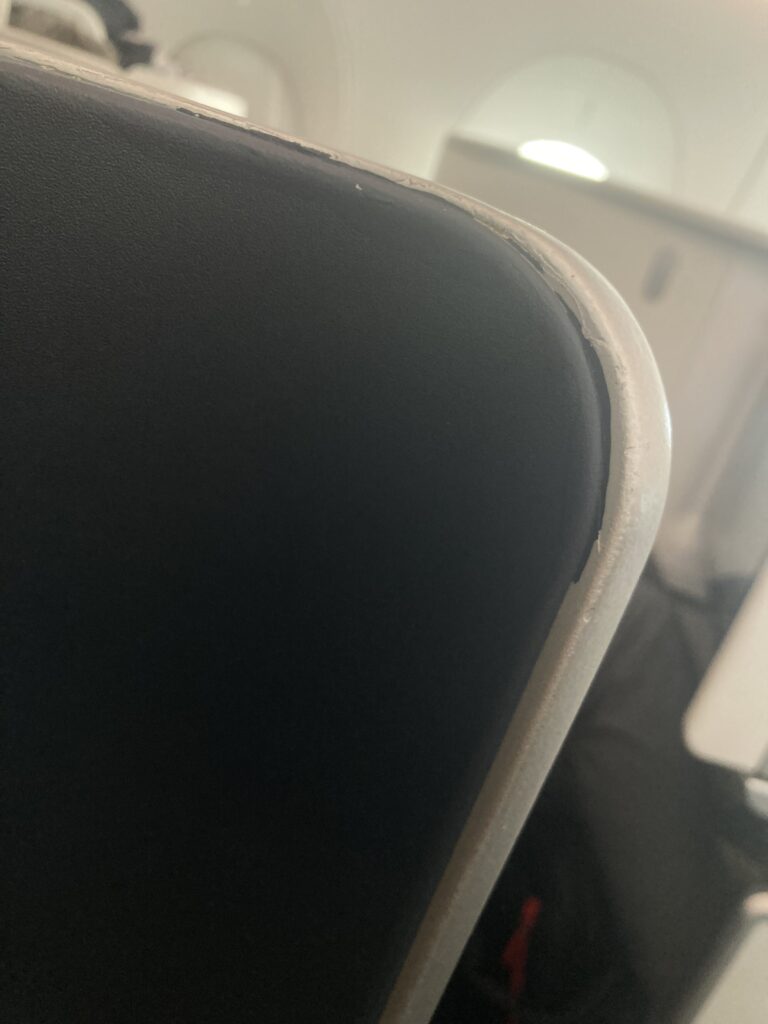
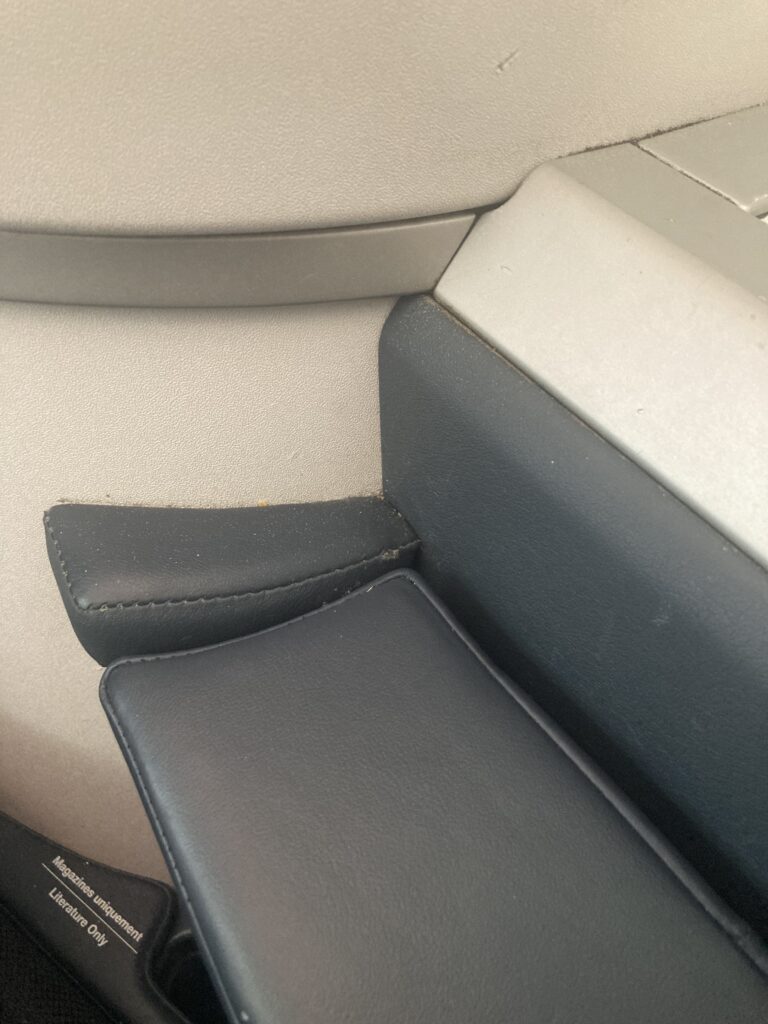
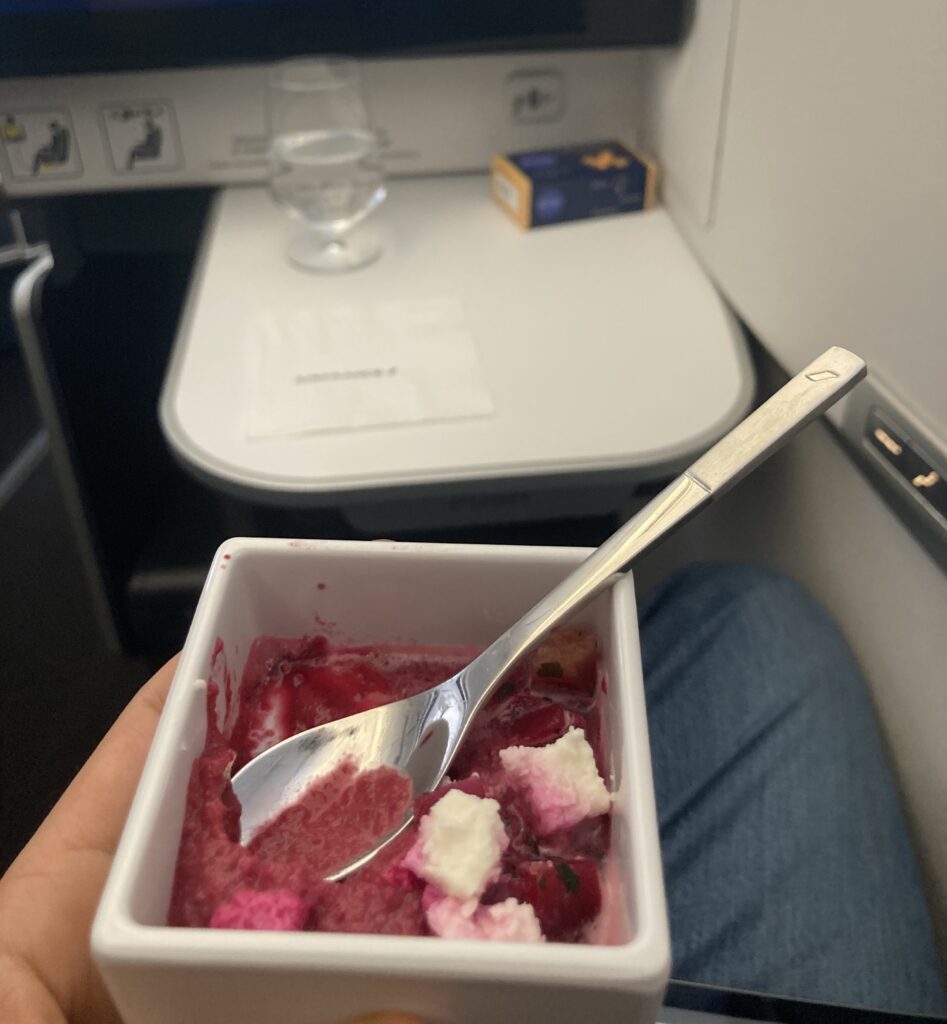
However, let’s be real: business class doesn’t change your life. It makes the journey tolerable, but it doesn’t replace the importance of where you’re going. It’s a better way to fly, but it’s still just a plane.
“This is how air travel should be. And going back to economy class… it sucks.”
Final Thoughts: Is the Five-Year Wait Worth It?
If you’re going to play this game, you have to be smart about your exits. Never, ever waste points on gift cards or paying off your credit card bill; that is a massive waste of value. Save them for the high-value long-haul flights where they actually count.
Would I pay the full cash price for this? Absolutely not. It doesn’t make financial sense to drop thousands of dollars on a seat when the destination is the goal. But as a way to use points you’ve spent years accumulating? It’s the best option on the table.
Ultimately, you have to ask yourself: Is your goal to enjoy the flight, or is it to enjoy the destination? For me, business class is a luxury that makes the journey human, but I’m still more interested in where I land than how I got there.
I currently do not have a referral link for AmEx that will give you more points. I will add it here, once I find one.