
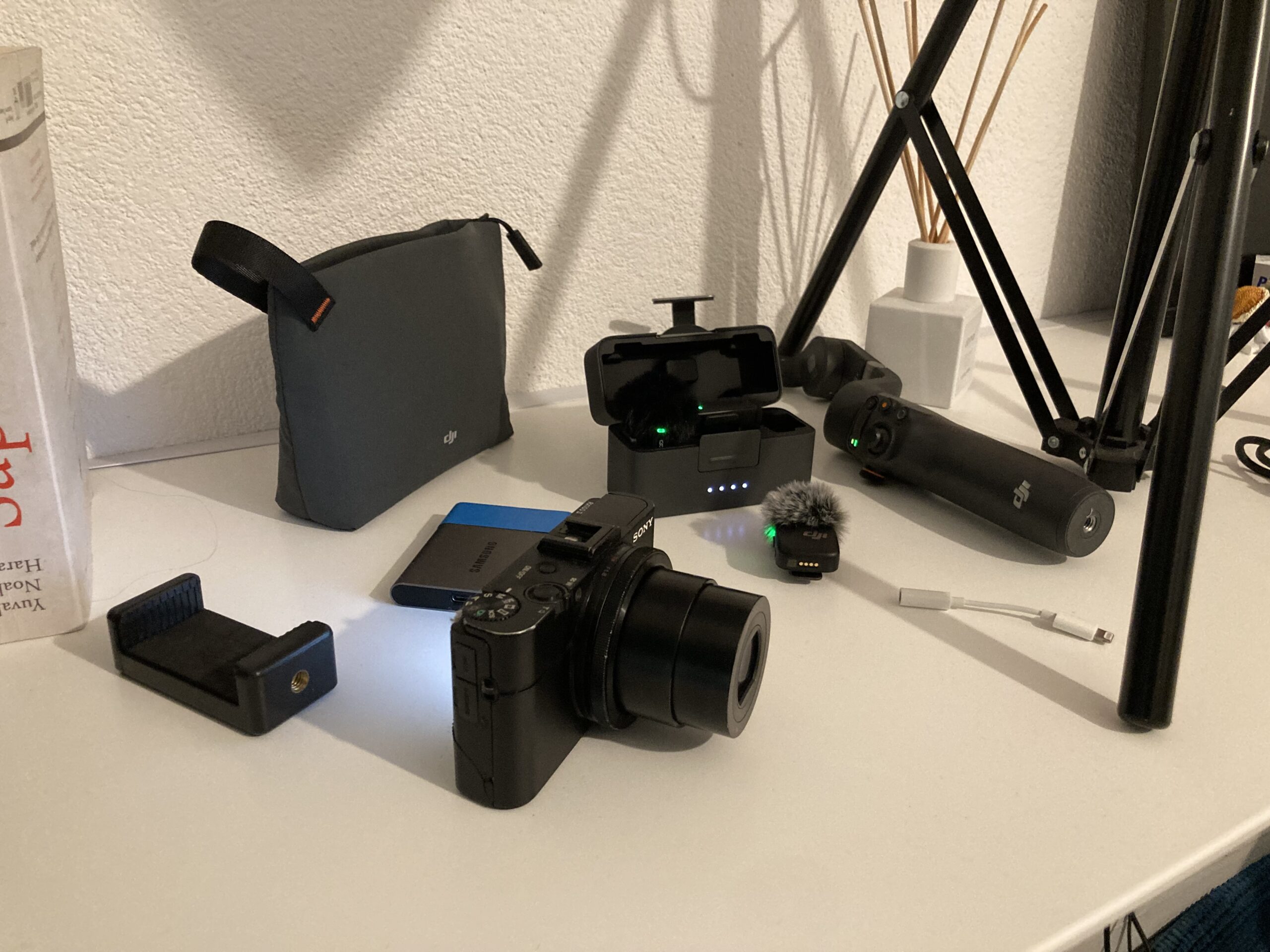
Introduction: The High-End Trap vs. The $100 Alternative
Here in 2026, we are living through the peak of the “all-in-one” flagship trap. We carry $1,200 smartphones like the iPhone 17 Pro, convinced that their computational magic is the only way to capture high-quality memories. In reality, these devices are high-friction distraction machines. They do too much, leading to hours of wasted time and digital anxiety, yet they still struggle to replicate the soul of a dedicated lens. There is a more intentional – and significantly cheaper – way to achieve professional-level photography. By hunting for a used Sony RX100 Mark II , you can secure a powerhouse of engineering for roughly $100 to $120. The secret to finding these gems at pocket-change prices is a strategy most buyers are too afraid to touch: looking for “defective” eBay listings.
Takeaway 1: The “Fixable Defect” Strategy for eBay Gold
Market value is often just a tax on the lazy. The average consumer wants a “mint” experience and is willing to pay a premium for it. As a budget minimalist, I view “risk” as an investment. On platforms like eBay, cameras with minor, manageable issues are frequently dumped as “broken,” which effectively filters out the competition and leaves high-value assets for those willing to do a little DIY cleanup. For example, a “broken” HDMI port cover that won’t stay closed is a common listing defect; on my unit, it was fixed in seconds by simply bending the plastic tab back into place. More intimidating issues, like a “stuck” lens, often have simple workarounds. In many cases, the culprit is a slightly bent manual zoom ring (the ring around the lens) that interferes with the mechanism. By avoiding that ring entirely and using the regular zoom knob , and by making a habit of holding the camera level during power-up, the device remains perfectly functional. “If the camera’s lens is not coming out it could be done forever… but most of the times it can get unstuck.”
Takeaway 2: Hardware Features That Still Outperform Modern Smartphones
Even in 2026, the physical sensor and real glass of the RX100 II provide a “natural” aesthetic that modern smartphones still try to fake with layers of AI and computational guesswork.
- Physical Fill Flash: The mechanical pop-up flash provides genuine light that an LED “torch” cannot match, giving portraits a professional punch.
- Tiltable Display: While its range is more limited than newer models (it cannot fold out completely for a “vlogger” view), it is still a vital tool for shooting from the hip or over the head without the ergonomic nightmare of a flat smartphone screen.
- Dedicated Focus Tracking: The autofocus system remains surprisingly snappy. By selecting a subject and engaging the focus tracker, the camera maintains sharpness with a level of intentionality that feels superior to the erratic tapping required on a phone.
- Intentional Video Controls: This European model shoots at 25 or 50 fps in MP4 mode. Rather than fighting this limitation, I’ve matched my phone’s recording settings to 25 fps to ensure visual consistency across my setup—a choice that prioritizes workflow over specs.
Takeaway 3: The “Digital Decoupling” Philosophy
The core of my photography setup isn’t just about saving money; it’s about digital decoupling . I pair this $120 camera with a basic, “mint condition” iPhone SE purchased for just $ 40. This “old” phone is a feature, not a bug. It handles the essentials—messaging, browser tasks, and document scanning—but provides a purposefully “lesser” experience for apps like TikTok or Instagram. When the experience of wasting time is made physically annoying by a slower device, you stop doing it. By separating the “creative tool” (the Sony) from the “communication tool” (the $40 phone), I regain my focus. I reach for the camera when I want to create, not when I’m bored.
Takeaway 4: The Surprising Modern Convenience of “Legacy” Tech
Sony’s engineering longevity is a testament to why “old” does not mean “obsolete.” This 13-year-old camera fits perfectly into a 2026 workflow:
- USB Integration: A single cable handles both battery charging and file transfers, eliminating the need for a dedicated charger.
- Wi-Fi Connectivity: While I prefer the SD card for bulk transfers, the built-in Wi-Fi is still there for those moments when you need to beam a single high-quality shot to a phone for a quick share.
- Webcam Capability: You can use this as a webcam via a mini-HDMI cable and capture card. However, be warned: the Mark II does not allow you to remove all on-screen overlays. To get a “clean” feed, you have to crop the footage, which results in a noticeable loss of quality.
Conclusion: The Future of Budget Photography
A €100 investment in “old” tech is a protest against the $1,200 flagship cycle. It provides a real sensor, a physical flash, and manual control that encourages better habits rather than mindless clicking. My journey for value hasn’t stopped here; I’ve already secured a Mark III for €155 to test the benefits of its improved vlogger-style flip screen and built-in viewfinder. But the lesson remains the same: the high-end market is designed to sell you features you don’t need. Ask yourself: Are you actually using every feature of your $1,200 smartphone, or is a “broken” $100 camera actually the upgrade your creativity has been waiting for?