
Why the Sony ZV1 is a Hidden Gem for Budget Filmmakers in 2026
I snagged the Sony ZV1 three months ago for $400 – a steal compared to its $750 launch price. As someone who’s dabbled with the RX100 series, I was curious if this compact vlogging powerhouse could live up to the hype. Spoiler: it’s been a mixed bag, but mostly in a good way.
Why I Switched to the ZV1
After shooting 4K videos on my RX100 Mark III, I hit a wall. The ZV1’s 4K at 30 FPS felt limiting, especially for slow-motion shots. But for Instagram reels and quick vertical videos? It’s more than enough. Plus, at a fraction of the price, it’s an ideal entry point for anyone tired of relying on their iPhone for decent footage.
Setting Up and Shooting
Unboxing and First Impressions
Right out of the box, the ZV1 felt like a toy—lightweight and compact. But that’s its charm. I popped on the included windscreen (which I later replaced with a cleaner plug) and started shooting. Except… I couldn’t. Without tweaking the heat management settings, the camera shut off after five minutes of 4K recording. Frustrating, but fixable.
Navigating the Menu Maze
Sony’s menus are notorious, and the ZV1 is no exception. I spent a good hour digging through settings to enable extended 4K recording. Pro tip: Fold out the display to help dissipate heat and avoid shutdowns. It’s a small step that makes a big difference.
Audio Quality: A Pleasant Surprise
I’m used to carrying an external mic, but the ZV1’s built-in mic impressed me. It does a stellar job reducing wind noise, though it struggles with louder environments. For interviews or vlogs in quieter settings, it’s a solid option. Still, I recommend pairing it with an external mic for the best results.
Zoom Woes and Prime Lens Benefits
The ZV1’s electronic zoom is a letdown. It changes the focal length but requires constant ISO adjustments—a hassle during shoots. I quickly switched to a prime lens, which eliminated this issue and gave me sharper images. If you’re like me and prefer to move physically rather than zoom, this isn’t a big deal.
Annoyances You Should Know
Battery Life: Prepare for the Worst
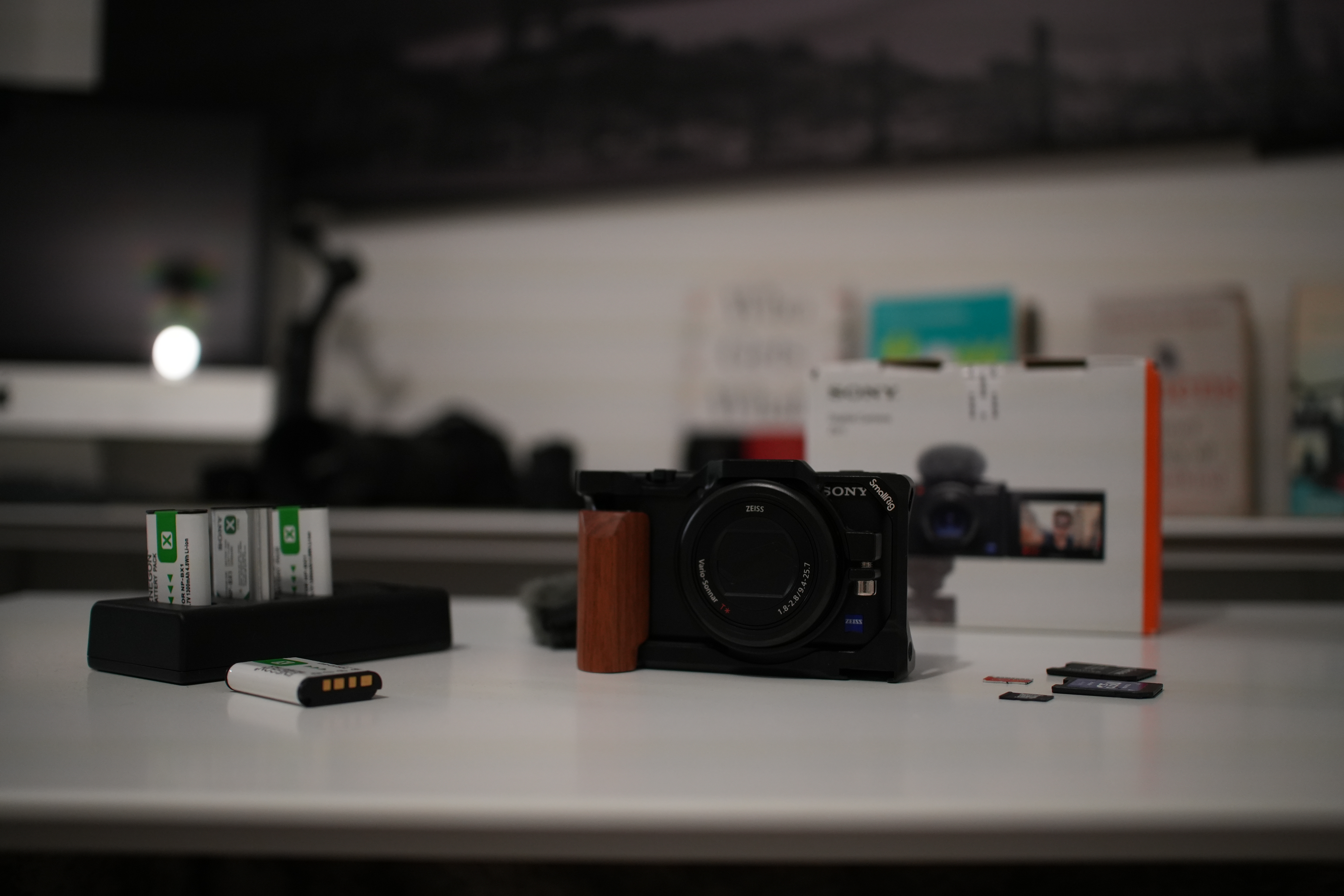
Let’s be real: the ZV1’s battery life is trash. The NP-BX1 cells barely last an hour. I ended up buying a $30 charger with three extra batteries, which got me through half-day shoots. It’s an extra expense, but non-negotiable if you plan to shoot regularly.
Tripod Mount Madness
The ZV1’s bottom mount is a design flaw. Attach a tripod, and you’ll block access to the battery and SD card. I solved this with a $15 rig adapter, which gave me multiple mounting points and kept everything accessible. It’s a cheap fix that saves a ton of frustration.
Stabilization: Cropping Galore
Active stabilization is a mixed bag. It’s great for micro-jitters during handheld shots, but it crops the frame significantly—up to 40% in some modes. For smooth pans and tilts, I recommend turning it off and using a gimbal instead. Speaking of which, the DJI RS 3 Mini pairs perfectly with the ZV1, though balancing requires extra care when the lens extends.
The Verdict: Is the ZV1 Worth It?
Despite its quirks, the Sony ZV1 is a fantastic camera for budget-conscious filmmakers. It’s not perfect—battery life and zoom limitations are deal-breakers for some—but its portability, image quality, and audio performance make it a worthwhile investment. If you’re willing to put in the time to learn its quirks, you’ll end up with a versatile tool that punches above its weight.
Final Thoughts: Accessories That Make It Shine
- Extra Batteries ($30): A must-have for extended shoots. Don’t even think about going without them.
- Smallrig Cage ($15): Solves the tripod mount issue and adds mounting points for accessories.
- DJI RS 3 Mini ($199): Elevates your footage with smooth stabilization, though balancing takes practice.
If you’re on the fence, buy used to save money – I got mine for $150 and it’s still in pristine condition. The ZV1 isn’t for everyone, but if you’re ready to embrace its imperfections, it’s a hidden gem in the world of compact cameras.